







Search Results for: pour-over comparison

What's the difference between hot pour-over and iced pour-over? A detailed comparison from parameters and extraction yield to flavor performance.
Should pour-over coffee be enjoyed hot or iced? Many people hesitate when ordering. Front Street uses a set of side-by-side comparison experiments, from brewing parameters, coffee-to-water ratio, and grind size adjustments to the final extraction yield and flavor performance, to visually demonstrate the core differences between hot pour-over and iced pour-over. The article also explains why iced pour-over requires less water and a finer grind, as well as the logic behind coffee shops charging extra for iced pour-over. If you also want to understand the relationship between flavor completeness and temperature, this comparison will give you a clear answer. [more…]
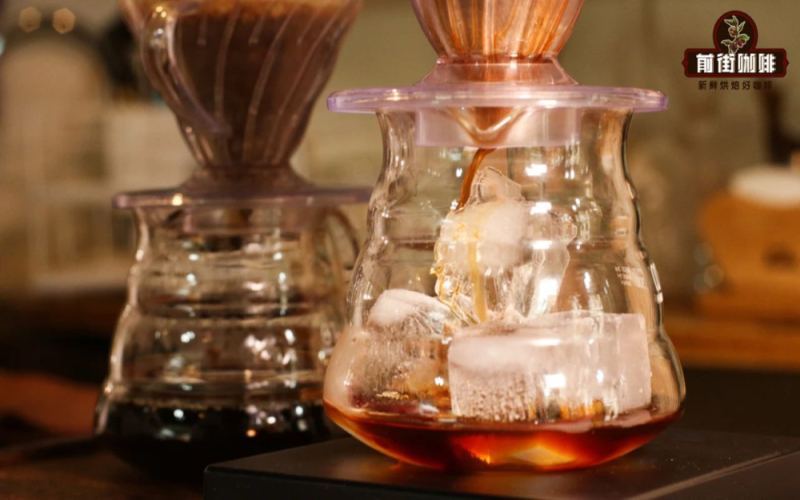
Comparison of Ice Addition Timing for Iced Hand-Brewed Coffee: An Analysis of Front Street's Japanese-Style Iced Hand-Brew Parameters and Sensory Differences
Should ice be added before or after brewing when making iced pour-over coffee? This question puzzles many coffee lovers. Front Street Coffee conducted a controlled experiment using 15 grams of Kaffa Forest coffee beans, a 1:10 coffee-to-water ratio, a water temperature of 90-91°C, and a grind setting of 9 on an EK43s grinder, testing two brewing sequences: ice added first and ice added last. The experiment found that after thorough shaking, the two methods performed quite similarly overall, but the coffee with ice added first tasted cleaner and more refreshing, while the one with ice added last had a more concentrated and intense aroma. The root of the difference lies in how much ice melts. This article will present the complete experimental parameters, step-by-step procedure, and sensory comparison results to help readers understand how the timing of ice addition affects the flavor of iced pour-over coffee. [more…]

2021 Crop Huakui 5.0 vs. Small-Bean Huakui Coffee Comprehensive Review: Green and Roasted Bean Identification, Cupping Flavors, and Pour-Over Performance Comparison
The 2021 new-crop Huakui 5.0 coffee beans have arrived at the port. Front Street Coffee immediately carried out roasting and cupping, and specifically conducted a comparison with its own beloved small-bean Huakui coffee beans. This article will guide you through the evolution of the Huakui series from the 2017 TOH champion beans to Huakui 5.0, and explain why small-bean Huakui stands independently outside the X.0 series. Then, through a visual comparison of green beans and roasted beans, differences in cupping flavors, and performance under a unified pour-over recipe, it will present in detail the characteristics of the two beans: small-bean Huakui is closer to the rich strawberry-cream profile of the classic 2017 Huakui, while Huakui 5.0 shows brighter berry acidity and floral notes. Whether you are a Huakui enthusiast or are currently selecting new-crop beans, this review can provide practical reference. [more…]
Iced Pour-Over Coffee Recipe and Practical Comparison: How a 15g Dose Ratio and Ice Addition Order Affect Flavor
Iced pour-over coffee has gained popularity among many enthusiasts in recent years, but the details during brewing often determine the final flavor direction. Front Street Coffee uses 15 grams of coffee grounds and a 1:10 coffee-to-water ratio as the foundation, paired with 100 grams of ice for cooling and dilution, and conducts a side-by-side comparison experiment on the two methods of adding ice first versus adding ice later. This article fully presents the experimental parameters, brewing process, and sensory differences, while also sharing the flavor performance of the Kafa Forest Ethiopian washed bean, helping readers understand the specific effects of ice addition timing on coffee cleanliness, aroma intensity, and mouthfeel changes, providing reference adjustment ideas for daily brewing. [more…]
Comparison of Two Dilution Methods for Iced Pour-Over Coffee: Flavor Differences and Key Operational Points Between Diluting with Ice and Diluting Over Ice
On a scorching summer day, iced coffee naturally becomes a hot topic of discussion among coffee lovers. Some coffee enthusiasts have raised the question: for iced pour-over coffee, is it better to simply add ice to dilute it, or to let the coffee liquid flow over ice to dilute it? To this end, Front Street specially carried out a round of comparative experiments, selecting Costa Rican巨石 Estate coffee beans and using the same brewing parameters to prepare an add-ice group and an ice-flow group separately, conducting a comprehensive comparison from flavor performance and mouthfeel layers to operational stability. This article will break down in detail the principles, operating procedures, and experimental results of the two dilution methods, helping you make iced pour-over coffee at home that suits your own taste. [more…]
A Complete Analysis of Clever Dripper Coffee Brewing Parameters: Flavor Differences vs. Pour-Over and a Practical Comparison
Thanks to its unique piston valve design, the Clever Cup allows even coffee beginners to brew a stable, tasty cup with ease. This article breaks down the Clever Cup's brewing principles, steps, and parameters in detail, and compares it with pour-over coffee from equipment to technique. Using the Yirgacheffe Red Cherry as an example, Front Street Coffee intuitively presents the flavor differences brought by the two brewing methods, helping coffee lovers understand the choice between rich and full-bodied versus bright and clean. [more…]
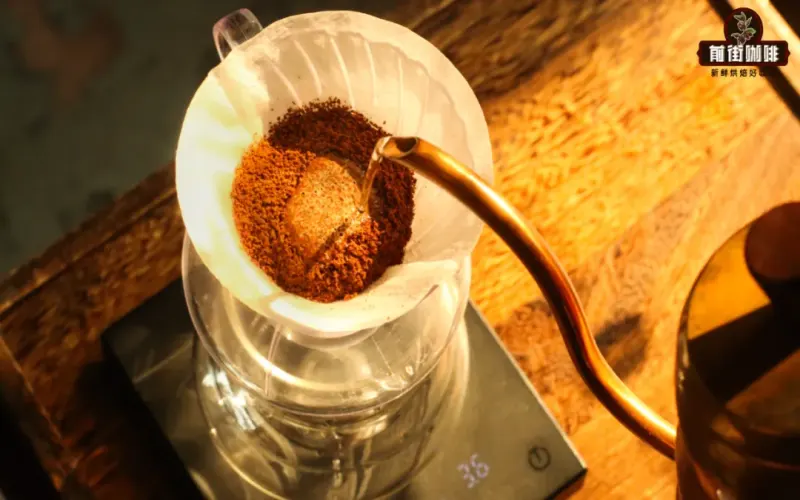
An Analysis of Flavor Differences Between Hot and Iced Pour-Over Coffee: A Professional Tasting Comparison from Temperature to Brewing Parameters
When buying coffee beans at a coffee shop or a Front Street location, many coffee enthusiasts ask the same question: for single-origin pour-over coffee, is it better hot or iced? Why is the flavor of hot pour-over coffee often more intense and prominent than iced pour-over? This article will start from the effects of coffee temperature on taste bud perception and aroma volatilization, deeply analyze why hot drinks make it easier to taste flavor, and at the same time explain the special adjustments in brewing parameters for iced pour-over—how operations such as reducing the amount of water, increasing the ratio of grounds to ice, and grinding finer affect the final flavor performance. The article also takes Front Street Ethiopia Huakui as an example, separately presenting a comparison of tasting results between hot brewing and iced brewing, to help readers fully understand the respective flavor characteristics and suitable scenarios of the two brewing methods. [more…]
Can New and Old Coffee Beans Be Mixed Together for Pour-Over? Front Street Tests Three Brewing Comparison Groups
Many coffee enthusiasts often encounter this situation at home: the freshly bought coffee beans haven't rested long enough yet, while there's still a nearly used-up bag of older beans they're reluctant to throw away. To make up enough grounds for a full pot, some people mix two batches of beans with significantly different roast dates and brew them together. Does this actually affect the coffee's flavor? Front Street conducted a comparative experiment using the same Elida Estate Catuai, brewing three groups separately—old-date beans, new-date beans, and a 1:1 blend of old and new beans—recording everything from the state of the coffee bed and degassing performance to aroma and taste. This article combines the experimental process to analyze how the coffee bean resting period affects extraction, and offers practical suggestions for saving beans without sacrificing flavor. [more…]
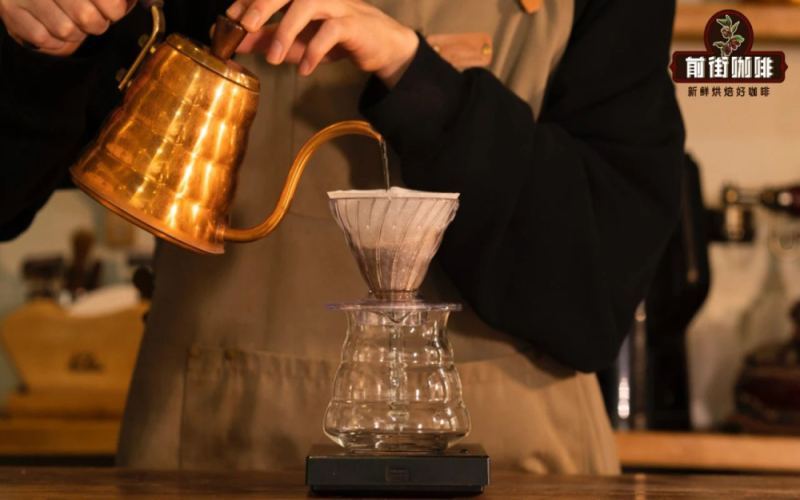
Ice Drip vs. Iced Pour-Over Coffee: A Flavor Comparison of Low-Temperature Slow Extraction and High-Temperature Fast Extraction
Ice drip coffee and iced pour-over coffee are often mentioned together, but the two differ significantly in extraction principles, flavor expression, and brewing process. Ice drip is a low-temperature slow extraction, while iced pour-over is a high-temperature fast extraction followed by cooling. Temperature greatly affects the breakdown rate of oils, acids, and sugars in coffee, thereby shaping distinctly different aromas, mouthfeels, and layers. From the perspective of Front Street Coffee, this article systematically sorts out the respective characteristics of high-temperature extraction and low-temperature extraction, and, using Honduras Sherry coffee beans as an example, records in detail the brewing parameters and flavor comparison of ice drip and iced pour-over, helping coffee enthusiasts more clearly understand the essential differences between the two kinds of iced coffee. [more…]

Comprehensive Comparison of Mandheling Coffee and Blue Mountain Coffee: Analysis of Origin, Processing Methods, Green Bean Characteristics, and Pour-Over Flavor Differences
Mandheling and Blue Mountain are often regarded as the two great representatives of full-bodied coffee, but their styles diverge sharply—the former is intense and aromatic, the latter balanced and sweet. From the perspective of Front Street Coffee, this article systematically sorts out the specific differences between Jamaican Blue Mountain and Indonesian Golden Mandheling in terms of geographical terroir, processing methods, green bean appearance, and cupping flavors. Blue Mountain comes from the high-altitude volcanic soil of a Caribbean island and uses the washed process; Golden Mandheling comes from Sumatra, where the wet-hulled method gives it its unique character. The article also includes Front Street Coffee's pour-over comparison parameters and flavor notes to help coffee enthusiasts more clearly understand the essential differences between these two classic coffees. [more…]

Can Espresso Blend Beans Handle Pour-Over? An In-Depth Analysis of Suitability and Flavor Performance, Plus a Front Street Coffee Hands-On Comparison
Many coffee enthusiasts wonder: can the blended beans typically used for espresso also be used for pour-over? The answer is yes, but doing so will lose the pure flavor of single-origin beans, and the overall taste will be more complex. Espresso blends and pour-over blends differ significantly in purpose, principles, and roast level—the former seeks flavor complementarity, while the latter emphasizes flavor enhancement. This article provides a detailed breakdown of the similarities and differences between the two, their blending principles, and uses Front Street Coffee's Ethiopian natural Red Cherry blended with Honduran Sherry as an example, extracting with both an espresso machine and a V60 pour-over for comparison, covering everything from parameters to flavor. [more…]
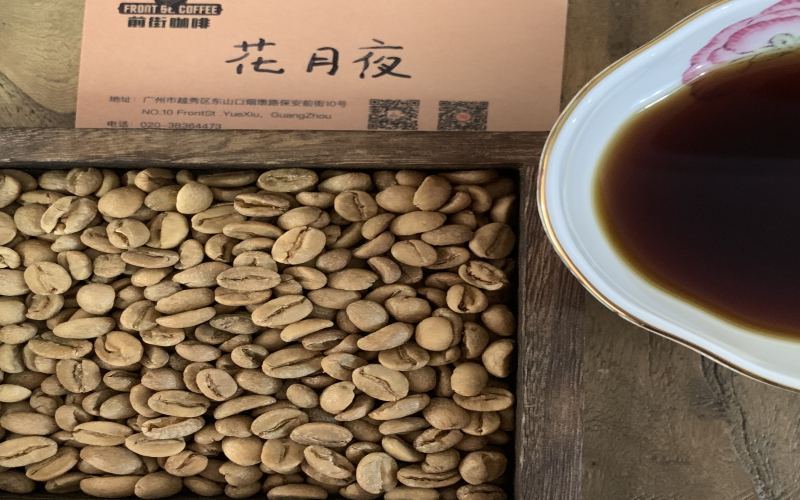
Colombia Flower Moon Night vs. Yirgacheffe Pour-Over Comparison: Flavor Differences Between Anaerobic Natural and Washed Processing
On Front Street Coffee's bean list, Colombia coffee and Yirgacheffe have always enjoyed great popularity, especially among enthusiasts who prefer sweet, fruity, and floral notes, who often find themselves torn between these two. This article uses Front Street Colombia Flower Moon Night and Front Street washed Yirgacheffe as examples to make a comparative analysis, from origin background and processing methods to actual brewing performance. Flower Moon Night uses anaerobic natural processing, bringing strawberry, jam, and a cocoa finish; Yirgacheffe, on the other hand, is a classic washed style, presenting citrus-lemon acidity, jasmine floral notes, and a tea-like body. Through this comparison, it helps you more clearly understand the flavor directions and selection choices of the two when brewing pour-over. [more…]
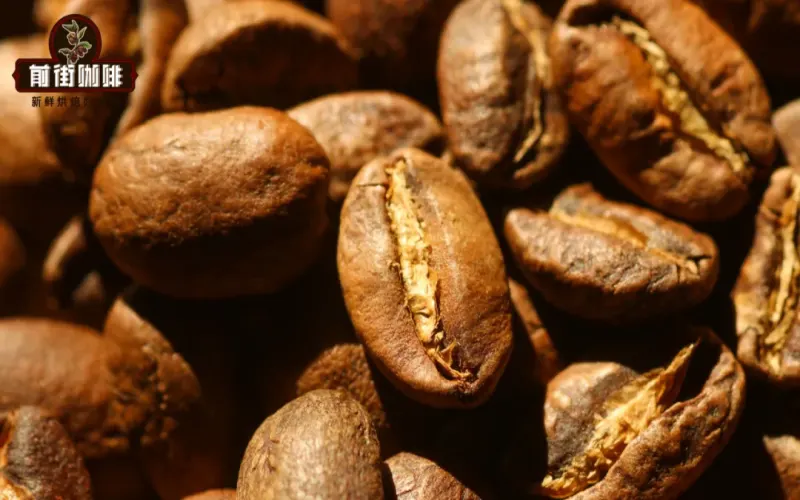
A Comprehensive Comparison of Pour-Over and Espresso Coffee: Extraction Principles, Flavor Characteristics, and Key Brewing Points for Single-Origin Beans
The coffee world is changing by the day, and the rise of specialty coffee has led us to re-examine the endless possibilities of this beverage. Today, coffee-making methods are endless, and the two major camps—espresso and pour-over—each have their own characteristics, with notable differences from extraction principles to flavor expression. Some people prefer the intense punch of espresso, while others are drawn to the clean, delicate quality of drip coffee. So what exactly are the differences between the two in extraction time, equipment choice, and flavor presentation? What kind of coffee beans and drinking habits does each suit? In this article, Front Street Coffee will take you through a comprehensive comparison of pour-over and espresso coffee, along with a brewing demonstration of a single-origin bean, to help you find the cup that suits you best. [more…]
A Comprehensive Comparison of the AeroPress and Pour-Over Coffee: Extraction Principles, Strength and Flavor Differences, and Brewing Process Explained
The AeroPress and pour-over coffee are two common methods for brewing specialty coffee, and they differ significantly in extraction principles, concentration, and flavor profile. Starting from the working mechanism of the AeroPress, this article will break down its preparation process in detail and systematically compare pour-over coffee and the AeroPress in terms of concentration and mouthfeel, helping coffee enthusiasts choose the brewing device that suits their preferences. The article also includes Front Street Coffee bean recommendations and purchasing channels for everyday reference. [more…]

Analysis of Hot vs. Cold Flavor Differences in Pour-Over Coffee: Which Coffee Beans Are Better for Iced Pour-Over?
Front Street's store bean list is extensive, and many customers face a dilemma after choosing their coffee beans: should they make a hot pour-over or an iced pour-over? What exactly is the difference in flavor between the two? This article starts from Front Street's actual brewing parameters, analyzes the construction logic of iced pour-over, and conducts a hot-versus-cold comparison using four representative coffee beans—Ethiopia TOH Uraga, Papua New Guinea Bird of Paradise, Indonesia Golden Mandheling, and Colombia Flower Moon Night—evaluating them across three dimensions: aroma, flavor, and mouthfeel. The results show that hot pour-over generally has the advantage in aroma richness and layering, while iced pour-over is more popular in summer thanks to its cold-drink appeal. The article also points out that light-roast and anaerobic-process coffee beans are more suitable for making iced pour-over, while medium-dark roast beans are not very suitable. [more…]
How to Reheat Cold Coffee Without Ruining Its Flavor? A Taste-Test Comparison of Pour-Over Coffee Heated on an Electric Stove vs. an Alcohol Lamp
A cup of pour-over coffee, from steaming hot to completely cold, undergoes irreversible changes in both aroma and taste. When the coffee drops to room temperature, most of those pleasant aromatic compounds present at high temperatures have long since dissipated, so it naturally tastes much flatter. Since the flavor cannot truly be "revived," our next-best goal is to lock in as much of the remaining aroma as possible, so that the rewarmed coffee is at least not unpleasant to drink. Front Street tested two heating methods—an electric hot plate and an alcohol lamp—raising two pots of coffee, Butterfly and Typica, from room temperature to 50°C, recording the tasting impressions one by one, in an attempt to find a heating approach that balances drinkability and flavor retention. The following presents the complete comparison process and conclusions, along with other rewarming ideas worth trying. [more…]
Comparison of Brazilian and Bolivian Coffee Bean Flavors: An Analysis of Planting History, Variety Characteristics, and Pour-Over Taste Differences
Brazil and Bolivia are both South American coffee-producing countries, yet the coffees of the two countries each have their own distinctive flavors. As the "giant" of the coffee world, Brazil has enormous production, relatively soft beans, and flavors dominated by nutty, cocoa, and brown-sugar sweetness; Bolivia, although limited in production, presents deep sweetness and berry notes because of its high altitude and unique varieties. In this article, Front Street Coffee will guide you through the two countries' coffee-growing history and varietal characteristics, and, through a pour-over comparison, analyze the flavor differences between Brazil Cerrado Red Bourbon and Bolivia Java coffee beans, helping you gain a deeper understanding of how altitude and variety affect coffee taste. [more…]
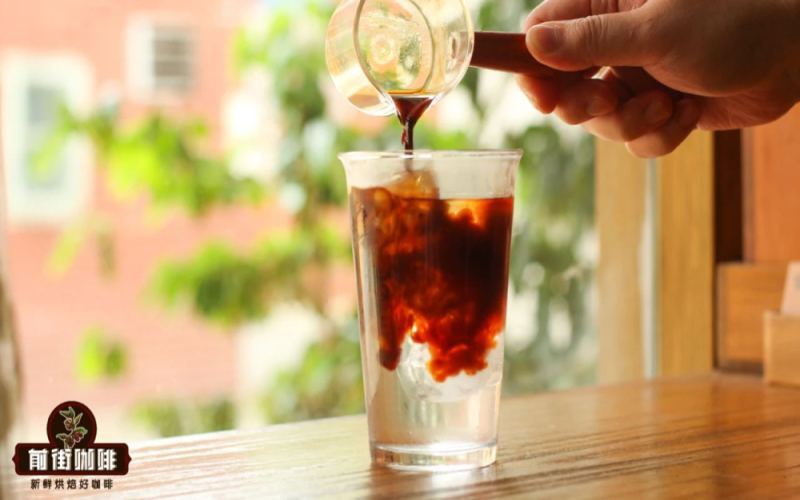
Flavor Comparison of Pour-Over vs. Iced Americano: Espresso Extraction Principles and a Guide to Choosing Italian-Style Beans
In today's era where specialty coffee prevails, espresso remains an indispensable offering in every café. Americano and pour-over both belong to the category of black coffee, yet their vastly different extraction methods deliver completely distinct taste experiences. This article starts from Front Street Coffee's brewing tutorial, first clarifying the concepts of espresso, Americano, pour-over, and black coffee, then delving into the sources of bitterness in Americano, followed by a flavor comparison using Costa Rica Mozart beans prepared as both pour-over and SOE Americano. In addition, the article systematically outlines the characteristics and suitable applications of four types of espresso beans—SOE, specialty blend, Warm Sun blend, and commercial blend—providing practical bean selection reference for coffee enthusiasts and industry professionals. [more…]
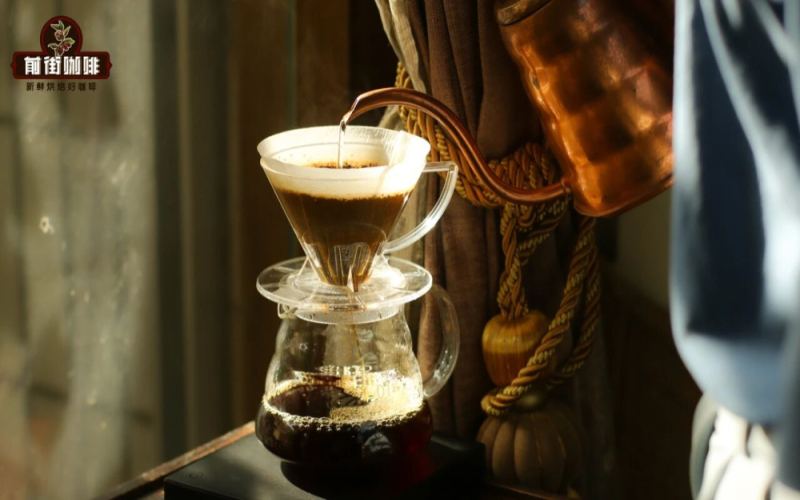
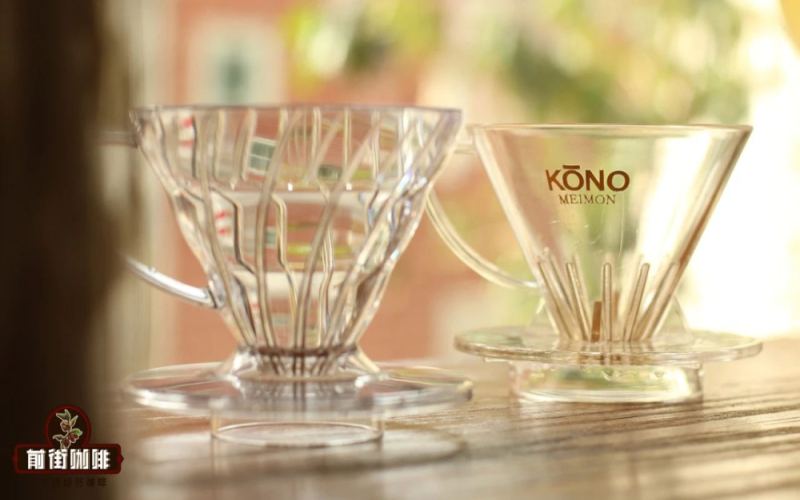
A comparison of the structural differences between the Kalita trapezoidal dripper and the V60 conical dripper, their flavor performance, and why the trapezoidal dripper is becoming increasingly rare in specialty coffee shops.
In the world of pour-over coffee, the choice of dripper shape was once diverse, but today when you walk into most specialty coffee shops, what you see are almost all conical large-hole drippers. Why have trapezoidal drippers, once so popular, especially the classic styles represented by Kalita, gradually retreated to the second tier? Starting from Front Street's actual brewing comparisons, this article uses Front Street washed Yirgacheffe and Front Street Jamaica Blue Mountain coffee, and under the same parameters extracts with Kalita 101 and V60 respectively, analyzing the differences in flavor presentation between the two drippers, and deeply examining how their structural principles affect the extraction method, ultimately explaining the reasons why trapezoidal drippers still retain a place among chain brands. [more…]
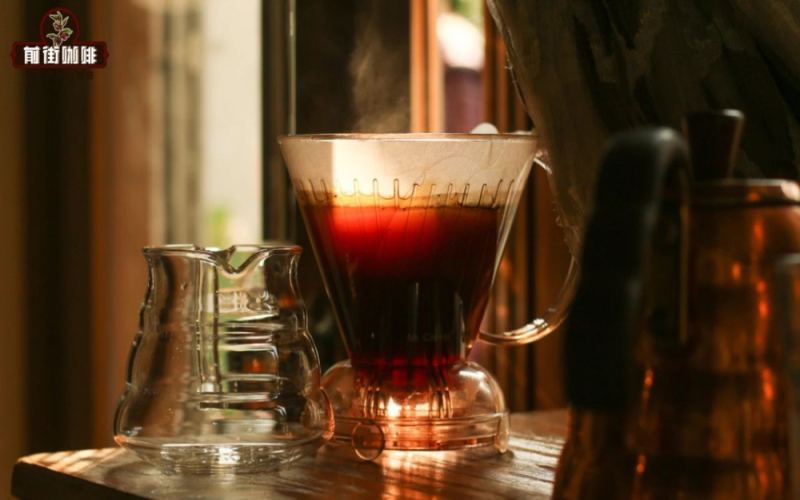
Comparison of Clever Dripper and French Press Brewing: Choosing Immersion-Style Coffee Gear and Analyzing Flavor Differences
Want to drink black coffee but don't want to fuss with a pile of pour-over gear? Immersion coffee brewers have therefore become the daily first choice for many enthusiasts, with the Clever Dripper and the French press being the most representative. Both complete extraction through immersion, with a low barrier to operation, yet the flavor direction in the final cup is vastly different. This article uses Front Street Kenya Asalia coffee beans as a sample and, under the premise that the dose, coffee-to-water ratio, grind size, water temperature, and immersion time are completely identical, conducts a brewing comparison between the Clever Dripper and the French press, breaking down one by one the device structure, operating process, and flavor presentation, and analyzing the extraction principles that cause the differences, finally giving purchasing and usage suggestions to help you make a suitable choice based on your preference for cleanliness and convenience. [more…]